

You have been sneaking extra spoonfuls of achar since you were five. Your nani caught you. She did not stop you — she just smiled. Turns out, she was right. As always. Nanis always are.
Achar — the tangy, spicy, oily, magnificent Indian pickle — has been a staple on South Asian tables for thousands of years. From the tiffin boxes of Mumbai to the kitchens of Little India in Singapore, there is arguably no condiment more emotionally loaded, more fiercely defended, or more devastatingly underestimated.
But here is the question we rarely ask, because we are too busy eating it: Is achar actually good for you?
First: What Exactly Is Achar?
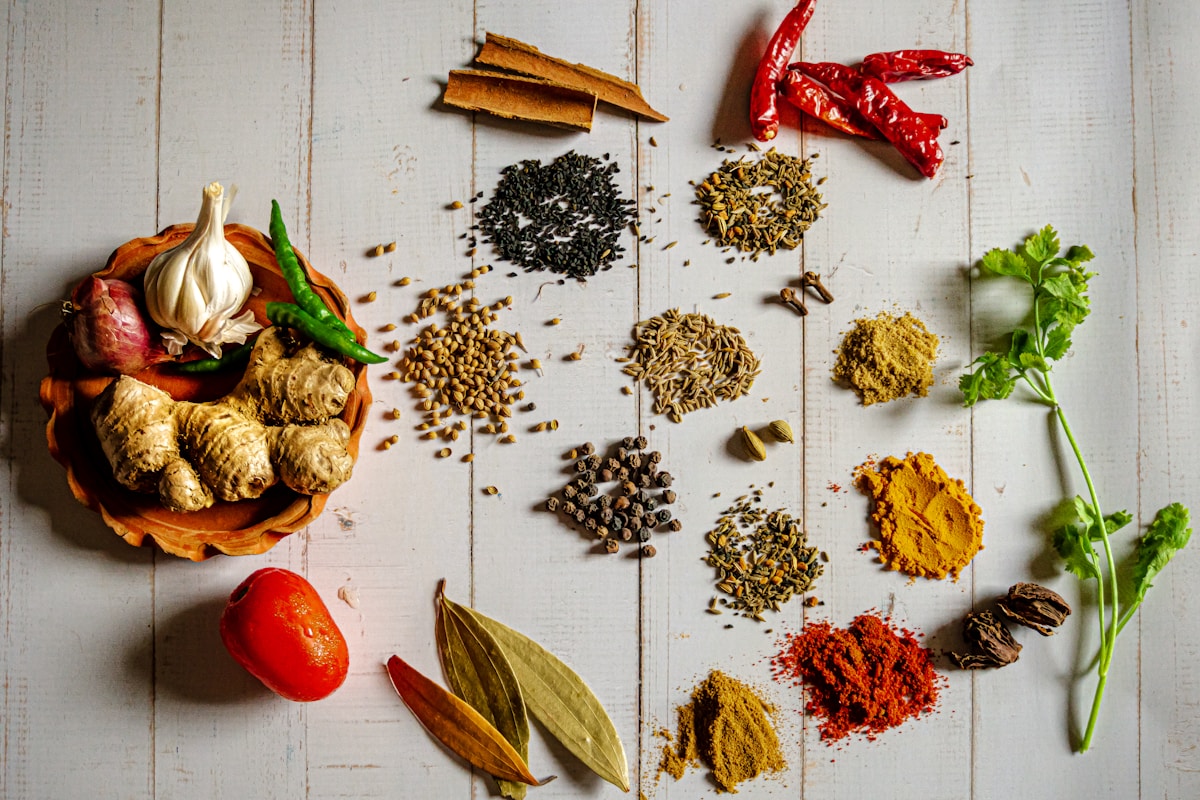
Achar is a traditional South Asian condiment made by preserving vegetables or fruits in mustard oil, salt, and a powerful combination of whole spices — fenugreek, turmeric, chilli, cumin, and more. Unlike Western vinegar-based pickles, achar relies on oil-based fermentation and salt-curing, a process refined over centuries.
7 Reasons Your Gut Loves Achar
Science-backed benefits of traditionally fermented Indian pickle
|
01 — Probiotics
Probiotic Powerhouse
Live Lactobacillus bacteria improve digestion, boost immunity, and support your gut microbiome.
|
02 — Anti-Inflammation
Antioxidant Arsenal
Curcumin in turmeric fights inflammation. Fenugreek regulates blood sugar. Capsaicin boosts metabolism.
|
|
|
03 — Digestion
Digestive Enzyme Boost
Fermentation and spices stimulate digestive enzymes — why achar always sits next to dal and roti.
|
04 — Immunity
Antimicrobial Shield
Allyl isothiocyanate in mustard oil inhibits harmful pathogens, protecting your gut.
|
|
|
05 — Micronutrients
Vitamins & Minerals
Mango: Vitamin C + Beta-carotene. Lime: Calcium. Garlic: Allicin + Selenium. A teaspoon per meal adds up.
|
06 — Mental Health
Gut-Brain Connection
~90% of the body's serotonin is made in the gut. A healthy microbiome supports mental wellbeing.
|
|
|
07 — Behaviour
Makes Vegetables a Pleasure, Not a Chore
Palatability drives healthy eating. If achar makes you eat more vegetables and lentils, it is indirectly one of the most powerful nutritional tools ever invented. Plain boiled okra: questionable. Okra with garlic-chilli achar: a full sensory awakening.
|
||
Not All Achar Is Created Equal
Most commercially produced achars are loaded with artificial preservatives, synthetic colours, refined vegetable oils, and stabilisers that counteract the benefits above. The bacteria? Gone.
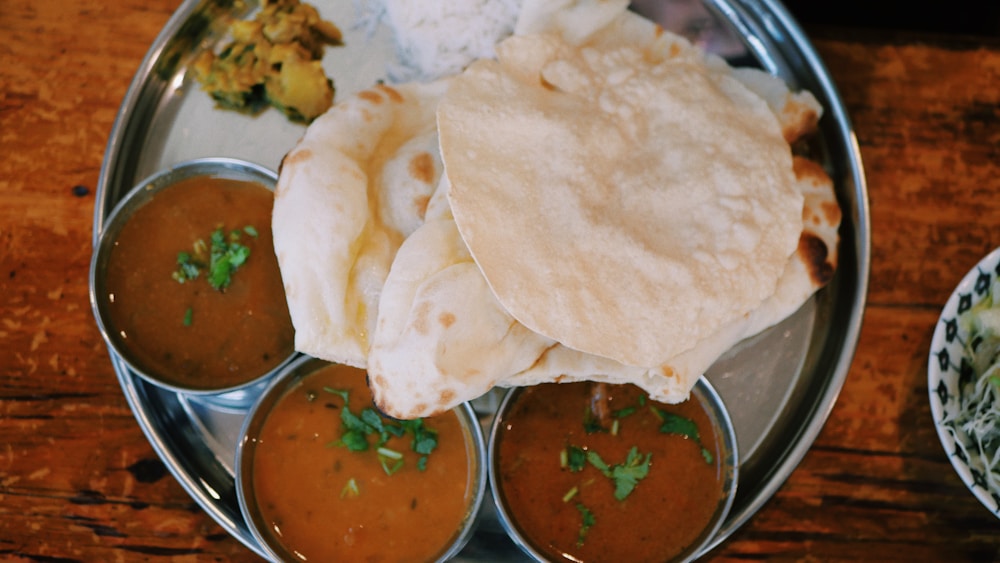
Traditional South Asian meals have always featured achar as a digestive aid — now validated by modern nutrition science.
How Much Achar Per Day?
1–2 teaspoons per meal is the sweet spot. A condiment, not a main course — though we completely understand the temptation.
Small Batch. No Preservatives. Made in Singapore.
Ready to eat your way to better gut health?
Handmade achars using age-old family recipes. Delivered island-wide. No artificial anything.
Shop Achars Try Mango Mojo
User Name 2 Days ago
Lorem ipsum dolor sit amet, consectetuer adipiscing elit. Aenean commodo ligula eget dolor.